

Table of Contents
The parenting landscape in Europe is undergoing a quiet transformation — not through new rules or cultural shifts, but through artificial intelligence. From London’s tech-savvy suburbs to the family-focused communities of Copenhagen, parents are turning to intelligent apps that promise to make the balancing act of modern life a little easier.
Top Parenting App in Europe have become the new companions for families navigating work, childcare, and emotional wellbeing. These apps are no longer just digital diaries or baby trackers — they’ve evolved into adaptive systems that understand behavior, suggest routines, and even predict emotional needs.
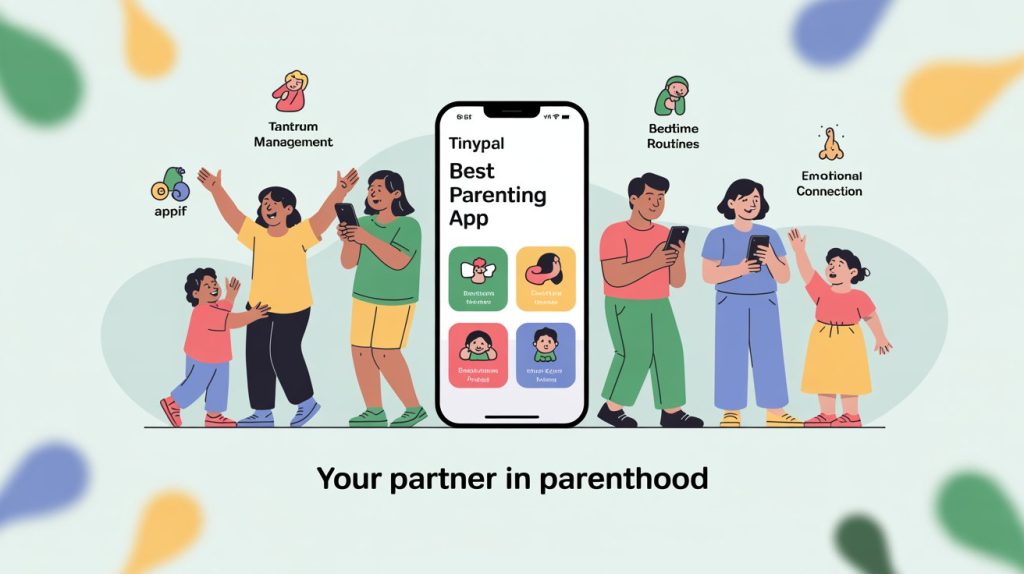
In the last five years, Europe has seen a steady rise in digital adoption for family management. With flexible work, dual-income households, and growing awareness of child development, parents have embraced mobile platforms to stay organized.
But unlike traditional apps that merely record milestones, today’s AI parenting apps learn from data. They analyze patterns — sleep cycles, mood fluctuations, learning progress — and translate that into actionable insights.
For instance, an app might suggest adjusting bedtime routines based on fatigue trends or recommend interactive games aligned with a child’s learning pace. This type of contextual intelligence marks the next phase of digital parenting — personalized support without intrusion.
European parents tend to value balance — between independence and support, between technology and human touch. AI parenting systems have adapted to that cultural expectation.
Modern applications now feature multilingual interfaces, GDPR-compliant data systems, and region-specific educational content. They’re not designed to replace parenting instincts but to enhance them through predictive insights and smart automation.
Imagine a tool that recognizes when your child’s screen time exceeds healthy limits or gently reminds you about vaccination schedules — all while respecting privacy regulations. That blend of intelligence and empathy is what’s defining the best parenting app experiences in Europe today.

- Adaptive Learning Models: Apps now use machine learning to understand a child’s unique habits and adjust recommendations dynamically.
- Wellness Monitoring: Integrated emotion trackers help identify stress or restlessness patterns in kids.
- Collaborative Dashboards: Parents, caregivers, and educators can share insights securely.
- Offline Functionality: Designed for families in areas with limited internet access.
- AI Chat Assistance: Built-in copilots answer parenting questions instantly using verified sources.
These features have positioned Europe at the forefront of AI parenting innovation, inspiring app ecosystems in North America and Asia.
Unlike the U.S., where most parenting apps follow a universal model, Europe’s diversity pushes developers to localize their products. Scandinavian parents may prioritize emotional intelligence and mindfulness tools, while Southern Europe prefers educational content integration.
This regional customization — voice commands in native languages, adaptive AI for cultural habits — creates stronger engagement and trust. The best parenting apps in Europe aren’t just technically advanced; they’re culturally empathetic.
One of the biggest misconceptions about AI in parenting is that it’s cold or impersonal. In practice, many AI-based parenting systems in Europe promote emotional awareness. They track non-verbal cues, tone of voice, and behavior over time, offering gentle nudges like:
“You’ve logged fewer shared moments this week. Maybe plan a game night?”
Such insights restore emotional rhythm in families overwhelmed by routine. AI becomes not a replacement for affection — but a mirror reflecting where connection can grow.

Europe’s stringent data protection laws (like GDPR) have created the safest ecosystem for AI-driven parenting tools. This is where innovation meets responsibility. Parents can use advanced analytics without fearing data misuse.
Most leading apps store user data locally, anonymize sensitive insights, and give parents total control over sharing preferences — ensuring digital trust is never compromised.
The intersection of technology and family wellness is expanding fast. AI apps are integrating with wearable devices, nutrition trackers, and even school platforms. They’re capable of analyzing sleep quality, learning engagement, and social behavior — offering a 360° view of family health.
In the coming years, we might see AI parenting ecosystems — where digital assistants, educational systems, and health networks collaborate seamlessly to support families.
Europe’s progressive stance on ethical AI has made its parenting technology a model for global markets. The adaptability, transparency, and inclusivity in European apps are inspiring similar systems in the U.S. and Asia.
It’s no coincidence that many global tech analysts cite Europe as the birthplace of family-centered artificial intelligence — an approach that blends empathy with precision.
For instance, some international users looking for the Best Parenting App in USA often discover European-developed tools that emphasize emotional wellbeing, smart insights, and secure family collaboration — reflecting how cross-regional innovation shapes modern parenting worldwide.
AI has quietly become the invisible co-parent for millions across Europe. It simplifies logistics, deepens emotional awareness, and ensures that no moment of growth goes unnoticed.
As Europe leads this digital evolution, one thing is clear — the future of parenting will not be about replacing human care with technology, but about creating smarter, more balanced families through it.
