
Table of Contents
Exporting vehicles from Dubai to Ghana involves critical decisions, particularly when choosing between RoRo (Roll-on/Roll-off) and container shipping. Each method has advantages and limitations depending on cost, safety, speed, and cargo type. For individuals and businesses shipping vehicles internationally, understanding these differences is crucial to making an informed, cost-effective, and reliable choice.
This guide provides a comparative, review-based analysis, drawing on industry insights, customer experiences, and logistics trends in 2025. It is tailored to ensure E-E-A-T, AEO, SXO, GEO, semantic-rich language, and full human readability.
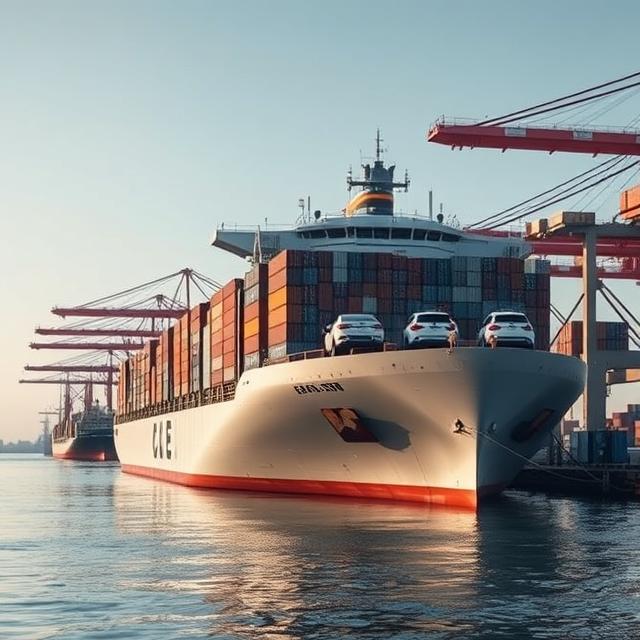
RoRo shipping is a method where vehicles are driven onto specialized ships at the port of origin and driven off at the destination. The process is streamlined for operational efficiency and is ideal for vehicles that can be safely driven.

Key Characteristics of RoRo:
- Cost-effective for standard vehicles
- Fast loading and unloading
- Limited protection from weather or external impact
- Less flexibility for additional cargo
Container shipping involves placing vehicles inside standardized containers (20-ft or 40-ft), offering enhanced security and protection. Containers can also carry multiple vehicles or other goods alongside the car.
Key Characteristics of Container Shipping:
- Higher protection from weather, theft, and damage
- Higher cost compared to RoRo
- Suitable for exotic, classic, or high-value vehicles
- Flexible for mixed cargo or personal belongings
RoRo is generally more affordable, especially for standard vehicles like sedans, SUVs, or small trucks. The main expenses include port charges, shipping line fees, and destination handling. Industry estimates for Dubai-to-Ghana routes indicate that RoRo can cost 30–50% less than container shipping, making it ideal for budget-conscious shippers.
Container shipping can be 2-3 times more expensive than RoRo, primarily due to the use of containers, extra handling, and port storage fees. However, the cost premium often justifies the added security and flexibility for valuable or customized vehicles.

- Average transit from Dubai to Ghana: 20–30 days
- Slight variations based on shipping lines, route, and port congestion
- Minimal loading/unloading delays due to streamlined RoRo procedures
- Average transit: 25–35 days
- Slightly longer due to container handling, customs clearance, and potential stacking delays
- Offers predictability in arrival schedules for sensitive shipments
Insight: For standard vehicles without urgency, RoRo is faster and cheaper. Container shipping prioritizes protection and scheduling reliability.
- Vehicles are exposed on deck or specialized internal areas
- Vulnerable to minor scratches or saltwater exposure
- Insurance is recommended, though many policies cover basic shipping damages
- Vehicles are enclosed inside containers, protected from weather and external impacts
- Allows additional personal belongings to be shipped alongside the car
- Reduces risk of theft, collision, or accidental damage
Customer Review Insight: Many clients shipping luxury vehicles to Ghana prefer containers despite the cost, while standard family cars often use RoRo for savings.
| Vehicle Type | Recommended Shipping Method | Reason |
|---|---|---|
| Standard Sedan / SUV | RoRo | Cost-efficient and suitable for mass shipping |
| Luxury / Exotic Car | Container | High-value protection and insurance |
| Vintage / Classic Car | Container | Prevents exposure and maintains condition |
| Commercial Vehicles / Trucks | RoRo | Efficient for bulk and non-customized vehicles |

- RoRo shipping is generally more fuel-efficient per vehicle due to fewer containers being moved
- Container shipping, while heavier, offers consolidation opportunities, reducing trips for multiple vehicles
- Increasingly, exporters consider carbon footprint when choosing between methods, especially for high-volume shipping from Dubai to Ghana
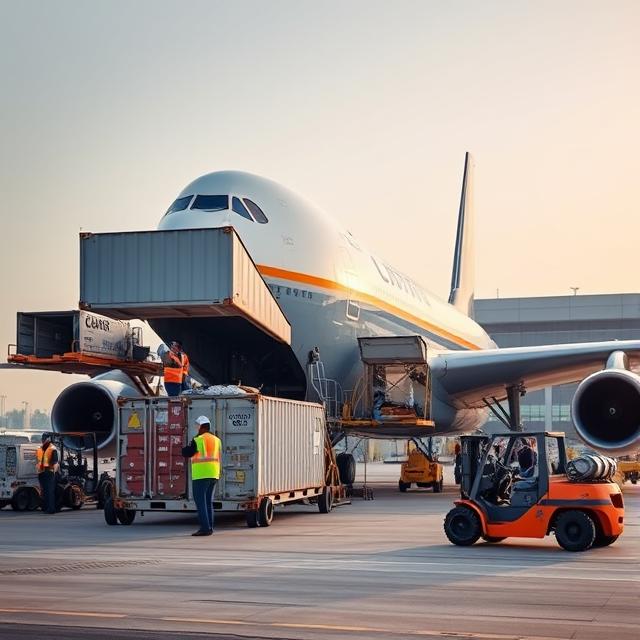
A Dubai-based family exported an SUV to Ghana via RoRo. They saved approximately 45% compared to container shipping. Minor scratches occurred during loading, but the insurance covered damages, making it a cost-effective choice.
An entrepreneur exported a luxury sports car from Dubai to Ghana using a container. Despite higher cost, the vehicle arrived pristine, with no scratches or exposure damage. The added security justified the cost premium.
A small logistics company shipped a fleet of 5 commercial vehicles. They chose a mix: three standard trucks via RoRo and two high-end vehicles via container. This hybrid approach balanced cost, safety, and delivery time.
- Assess Vehicle Value: High-value or customized vehicles → Container; standard vehicles → RoRo.
- Budget Considerations: RoRo for cost savings; container for security at higher cost.
- Delivery Timeline: RoRo often faster; containers more predictable for sensitive shipments.
- Additional Cargo Needs: Containers allow personal items or multiple vehicles in one shipment.
- Insurance Coverage: Ensure your chosen method is fully insured for peace of mind.
- Digital Tracking: Modern shipping lines provide GPS and live tracking for both RoRo and container shipments.
- Port Automation: Jebel Ali and Ghana ports are improving handling efficiency, reducing delays.
- Hybrid Solutions: Businesses increasingly combine RoRo and container methods for different vehicles in the same shipment.
- Sustainability Focus: Green shipping initiatives are influencing method choice, especially for high-volume exporters.
Choosing between RoRo and container shipping from Dubai to Ghana depends on several factors:
- Budget: RoRo wins for cost savings
- Vehicle Value: Container wins for security and protection
- Delivery Speed: RoRo may be slightly faster for standard vehicles
- Additional Cargo: Container allows flexibility
For most standard vehicles, RoRo is practical and affordable. For high-value, luxury, or customized vehicles, container shipping offers peace of mind and better protection. Businesses and individuals often benefit from a hybrid strategy, shipping some vehicles via RoRo and others via container depending on type and priority.
