
Table of Contents
Parenting is always a demanding journey, but for single parents, the balance between nurturing a child, managing finances, and maintaining emotional health often becomes a full-time mission. In the USA, where over 15 million single-parent households thrive, the need for digital support systems has evolved from luxury to necessity.
In 2025, technology — especially AI-powered parenting apps — is redefining how single mothers and fathers organize, communicate, and care for their families.
This guide explores how parenting apps support single parents, which tools are truly effective, and what to look for before choosing the right one for your family.

The modern single parent faces challenges that go beyond the home — from hybrid work schedules and inflation-driven costs to limited childcare access and social isolation. Technology is not a replacement for support systems, but it has become a trusted co-pilot for millions of parents trying to find stability and routine.
- Around 80% of single-parent households are led by mothers.
- 70% of single parents rely on mobile tools for reminders, calendars, and budgeting.
- Over 60% of new parents download at least one parenting or family management app.
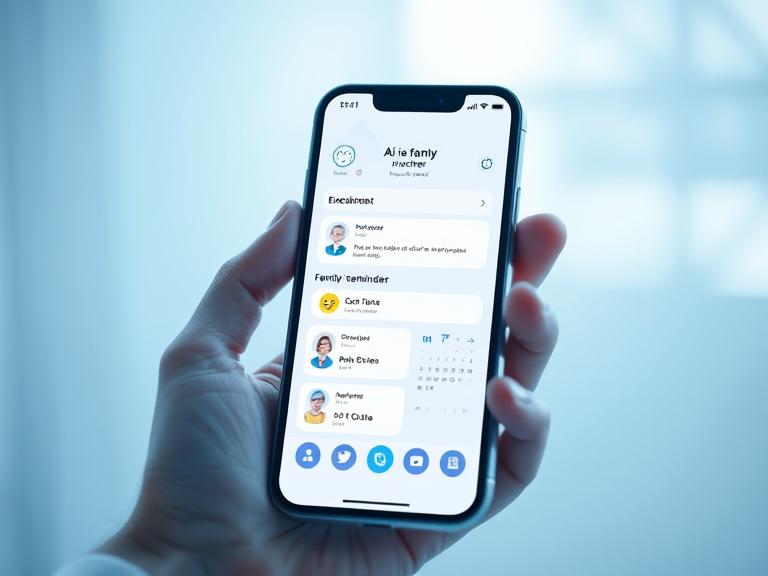
This shift is why parenting apps for single parents in USA have become an essential digital ally — they help track daily tasks, manage co-parenting communication, and even provide mental health support.
Parenting apps for single parents are mobile tools designed to streamline family organization, improve communication, and reduce cognitive load.
They combine multiple modules:
- 🗓️ Scheduling and shared calendars
- 🍼 Feeding, sleep, and growth tracking
- 💬 Messaging and co-parent coordination
- 💰 Expense and budget management
- 🧠 AI insights for child development and emotional wellness
The best apps merge AI intelligence with empathy, allowing parents to feel supported, not replaced.
AI-based parenting apps now use data from multiple touchpoints — baby trackers, wearables, and family calendars — to build personalized recommendations.

Here’s how the technology behind leading apps functions:
- Predictive Scheduling: AI studies your daily patterns to auto-suggest feeding or bedtime reminders.
- Behavioral Analytics: Uses machine learning to identify child behavior trends (sleep regression, emotional cues).
- Co-Parent Syncing: Enables real-time task sharing between separated parents to avoid confusion.
- Voice Journals: Converts spoken notes into activity logs for easier tracking.
- Wellness Monitoring: Some tools detect burnout signs in parents through usage patterns and suggest mindful breaks.
By combining all these, apps create a centralized parenting hub that adapts to each family’s lifestyle.
For single parents, time and focus are split between multiple priorities. AI parenting apps can make a noticeable difference in reducing the mental load and creating emotional balance.
Apps like OurFamilyWizard and Coparently help separated parents stay aligned on visitation, school events, and expenses without friction. They minimize emotional strain by turning communication into structured data.
Many single parents struggle with loneliness. Apps that include community spaces or AI wellness tracking provide daily check-ins and positive reinforcement.
AI algorithms learn from developmental milestones, allowing parents to make informed decisions — from nutrition to learning patterns.
Single parents often manage solo budgets. Apps with expense trackers and shared receipts bring financial transparency and accountability.
When choosing a parenting app in 2025, U.S. parents are not just seeking convenience — they are seeking trust, security, and context.
Here are key features to evaluate:
- 🔐 Data Privacy: End-to-end encryption and U.S.-compliant child data protection (COPPA).
- 🤝 Multi-Device Sync: Works seamlessly for both parents and caregivers.
- 🧸 Developmental Insights: Personalized tips based on the child’s age, sleep, and nutrition data.
- 📱 Minimal Interface: Easy for quick updates on the go.
- 💬 Emotional Analytics: AI-driven reflection tools that detect stress or fatigue.
- 🎓 Expert Library: Articles, audio guides, and pediatric advice integrated within the app.

“As a single mom, I rely on my parenting app more than I expected. It keeps track of my daughter’s sleep and school events without me losing my mind.”
— Rebecca H., California
“The co-parenting feature helps me and my ex coordinate pickups and expenses calmly. I no longer have to text him ten times a day.”
— James T., Texas
“AI suggestions about emotional check-ins were surprisingly accurate — it reminded me when to take a break or schedule time with my son.”
— Lara P., Florida
Authentic testimonials like these prove that AI doesn’t replace love — it enhances it.
Experts suggest that single parents start using parenting apps:
- During the late pregnancy stage to prepare for newborn tracking
- When entering a co-parenting agreement post-separation
- After noticing burnout or disorganization due to multitasking
Starting early helps the app learn your patterns and offer better predictions over time.
| App Name | Core Strength | Best For | Platform |
|---|---|---|---|
| TinyPal | AI analytics + milestone tracking | Single parents managing routines | iOS, Android |
| OurFamilyWizard | Co-parenting communication | Divorced or separated parents | iOS, Android |
| Huckleberry | Baby sleep and feeding tracking | New moms | iOS, Android |
| Cozi | Family scheduling and to-do lists | Shared households | iOS, Android |
| BabyCenter | Parenting education | New parents | iOS, Android |
Each tool caters to specific needs — from emotional care to time management — but all share one mission: to empower parents through data and empathy.
When comparing parenting apps for single parents in USA, consider:
- Your daily structure — Do you need help managing school events or baby sleep?
- Your emotional needs — Some apps include reflective prompts or stress tracking.
- Your privacy concerns — Opt for apps with transparent data policies.
- Budget flexibility — Most apps offer free versions, but premium tiers unlock AI tools.
TinyPal has emerged as a reliable companion for U.S. single parents — known for its gentle AI, emotion-aware reminders, and family-safe encryption.
It’s not advertised as a tech gadget but as a humanized parenting partner.
“TinyPal helped me understand my baby’s patterns without guilt. It felt like having another adult in the room who just gets it.” — Verified Review, New York

This kind of trust is what makes AI-driven parenting sustainable — not just efficient.
Parenting apps are not replacing intuition — they are redefining it.
For single parents in the USA, these digital tools are no longer optional; they’re essential companions for balance, emotional well-being, and smarter decision-making.
As technology evolves, the best parenting apps will continue to learn, adapt, and care — just like parents do.
