
Table of Contents
International shipping from Dubai is typically handled through a combination of sea freight, air freight, and multimodal logistics depending on cargo type, destination, and urgency. Reliable providers coordinate export documentation, customs filing, carrier booking, cargo handling, and overseas handover to ensure shipments move legally and efficiently through Dubai’s port, airport, and free zone networks. Dubai is widely used for commercial exports, vehicle shipments, and re-export cargo due to its global carrier connectivity and established trade infrastructure. In Dubai, logistics providers such as Nautical Gulf handle vehicle and cargo shipping across regional and international routes by applying structured processes for documentation, compliance, and shipment coordination across multiple stakeholders.
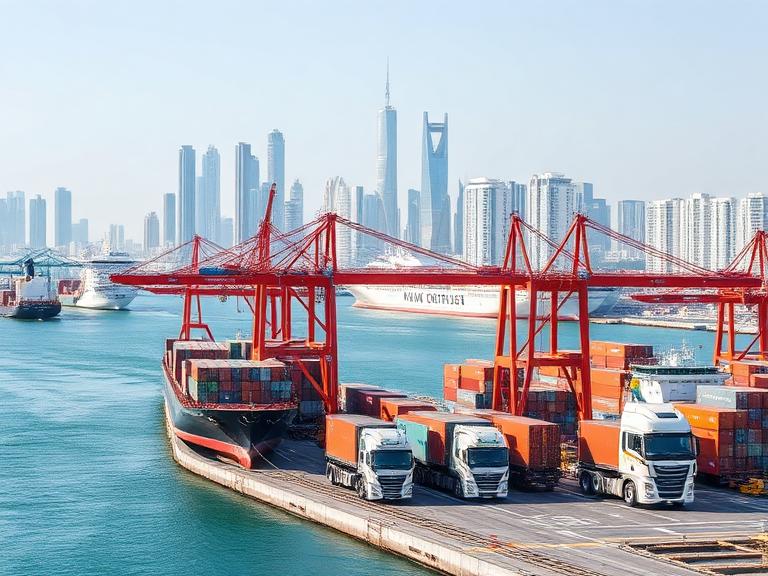
International shipping is not a single service. It is usually a package of coordinated activities delivered by shipping companies, freight forwarders, and logistics providers operating from Dubai.
Common services include:
- Full Container Load (FCL) exports
- Less Than Container Load (LCL) consolidation
- Breakbulk cargo handling
- RoRo shipping for vehicles and machinery
Air freight services often include:
- airline booking and cargo acceptance coordination
- export documentation support
- cargo screening and handling compliance
- urgent shipment planning
Freight forwarding services include:
- carrier selection and booking
- route planning (direct vs transshipment)
- destination agent coordination
- shipment tracking and milestone reporting
International shipping providers in Dubai often coordinate:
- export declarations
- customs broker liaison
- free zone documentation (where relevant)
- handover for destination customs clearance
This typically includes:
- commercial invoice checks
- packing list verification
- HS code guidance (not legal advice, but operational support)
- certificates of origin (where required)
- bill of lading or airway bill coordination
Dubai is not simply a city with ports and airports. It is an integrated trade and logistics ecosystem designed around international movement of goods.
Dubai’s geographic position supports trade between:
- Asia and Europe
- Africa and the Middle East
- GCC markets and global manufacturing regions
This is one of the main reasons international shipping from Dubai is widely used for both direct export and re-export activity.
Dubai’s shipping ecosystem supports:
- high-volume container shipping
- specialised terminals for vehicles
- breakbulk handling for industrial cargo
- efficient shipping line connectivity
Dubai’s air freight network is important for:
- time-sensitive commercial shipments
- high-value cargo
- supply chain continuity for industries like automotive and electronics
Dubai’s free zones enable:
- cargo consolidation
- bonded handling in certain workflows
- re-export structures used by trading companies
For many businesses, free zone operations are an operational advantage rather than a cost strategy.
Most shipments fall into one of three transport modes: sea freight, air freight, or multimodal transport. The “best” option depends on cargo type, handling requirements, and destination trade rules.
Sea freight is widely used for:
- commercial cargo
- industrial goods
- palletised shipments
- vehicles and machinery
It is usually selected when:
- shipment volume is large
- cargo is not urgently time-sensitive
- containerisation is practical
Air freight is commonly used for:
- spare parts
- electronics
- urgent commercial inventory
- small, high-value shipments
Air freight is operationally different from sea freight due to:
- strict airline acceptance requirements
- security screening procedures
- more intensive packaging and labeling standards
Multimodal solutions are common when:
- cargo needs inland delivery
- the consignee is far from a destination port
- routing requires transshipment through hub locations
Multimodal shipping requires strong coordination because documentation and responsibility must remain aligned across multiple carriers.

Sea freight is the foundation of Dubai’s international shipping activity.
FCL is usually chosen when:
- a shipment can fill most or all of a container
- cargo needs controlled space
- cargo is sensitive to handling
FCL benefits include:
- fewer cargo handovers
- simplified loading control
- reduced consolidation risk
LCL is used when:
- shipment volume is smaller
- a shipper does not want to book a full container
- cargo can be consolidated safely
LCL shipments require careful:
- packaging
- cargo labeling
- documentation alignment
Because cargo is handled more frequently, LCL is less forgiving of packing errors.
Breakbulk is used for:
- oversized industrial cargo
- machinery and construction equipment
- shipments that cannot be containerised
Breakbulk shipping requires:
- specialist lifting plans
- securing and lashing
- port handling coordination
Air freight is often misunderstood. It is not simply a faster version of sea freight.
Air freight is most suitable for:
- urgent shipments
- high-value goods
- supply chain continuity cargo
- spare parts and components
Air cargo requires:
- cargo screening compliance
- airline acceptance checks
- packaging and labeling that meets airline standards
- accurate documentation (especially cargo descriptions)
- commercial invoice
- packing list
- airway bill
- export declaration (where applicable)
- certificates (for controlled goods)
Air freight delays are frequently caused by document inconsistencies rather than transport availability.
Dubai is a well-known vehicle export market. Many international shipments involve passenger cars, commercial vehicles, and specialty vehicles.
Container shipping is often selected when:
- the vehicle is high value
- protection from exposure is required
- the destination port has container handling preference
Containerised vehicle shipping typically requires:
- vehicle condition recording
- securing inside the container
- export documentation accuracy
RoRo shipping is commonly used for:
- operational vehicles
- bulk vehicle exports
- standard passenger cars and commercial units
RoRo requires vehicles to meet:
- operational requirements (able to move under their own power)
- documentation and ownership verification standards
- port delivery timing discipline
Vehicle export documentation commonly includes:
- proof of ownership
- export declaration
- invoice (where applicable)
- destination import requirements (varies by country)
Vehicle shipments are compliance-sensitive and should not be treated as general cargo.
Documentation is the most common cause of delays in international shipping operations.
Most shipments require:
- commercial invoice
- packing list
- transport document (bill of lading or airway bill)
- export declaration (when applicable)
- certificate of origin
- insurance certificate (optional)
- product-specific certificates (for regulated goods)
- import permits (destination-controlled items)
Errors in documentation can lead to:
- customs holds
- reclassification of goods
- delays at port or airport
- destination clearance failure
Professional shipping providers use structured document verification to reduce these risks.
Customs coordination is part of international shipping even when a separate customs broker is used.
Export shipping from Dubai typically involves:
- HS code classification
- declaration filing
- inspection coordination (if required)
- port or airport release procedures
For re-export shipments, providers may coordinate:
- free zone documentation
- re-export declarations
- consignee and end-user documentation consistency
A shipment can be fully compliant in Dubai but still face issues at destination due to:
- missing certificates
- restricted items
- incorrect invoice details
- local import permit requirements
The best shipping planning includes destination compliance checks early.
Dubai supports global trade lanes. While routing depends on carriers and schedules, international shipping from Dubai is commonly arranged to:
- Saudi Arabia
- Oman
- Kuwait
- Bahrain
- Qatar
- Jordan and wider Middle East routes
Dubai is frequently used for shipments to:
- East Africa
- West Africa
- Southern Africa
- North Africa
Dubai has strong carrier connectivity to:
- Mediterranean ports
- Northern European ports
- UK and EU trade lanes
Common trade routes include:
- India and Pakistan
- China and Southeast Asia
- East Asia hubs
International shipments may route through:
- US East Coast or West Coast ports
- Canadian ports
- air freight hubs for time-sensitive cargo
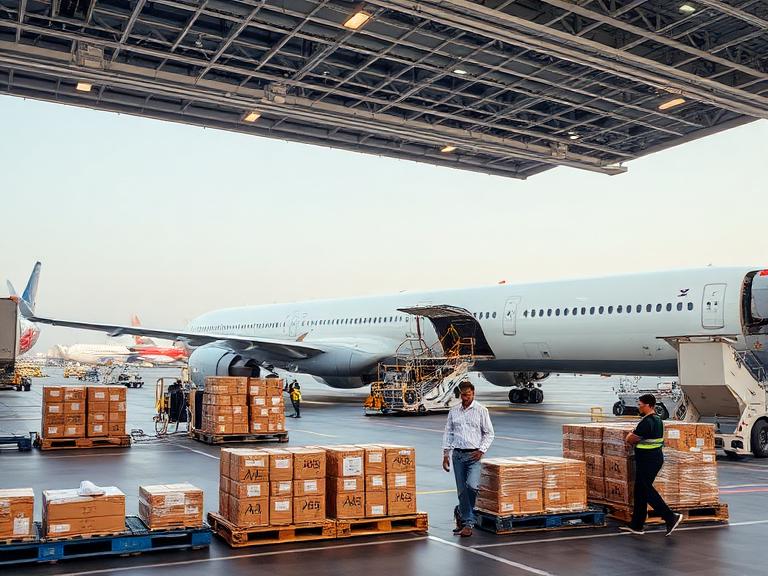
Understanding whether your shipment is commercial or personal affects documentation, customs handling, and shipping expectations.
Commercial shipments typically involve:
- invoices and trade documentation
- HS classification requirements
- destination import clearance via business entity
Commercial cargo also tends to have stricter:
- packaging standards
- labeling requirements
- compliance checks
Personal shipments may include:
- household goods
- personal items
- relocation cargo
- personal vehicles
Personal shipping can still require:
- detailed packing lists
- identity and ownership documents
- destination customs declarations
Personal shipments often face delays when shippers assume they are “informal.” International shipping is rarely informal in practice.
Shipping timelines and costs vary. A trustworthy provider explains variables rather than offering unrealistic guarantees.
- carrier schedules
- transshipment requirements
- port congestion
- customs inspection frequency
- documentation readiness
- destination clearance procedures
- cargo volume and weight
- mode (air vs sea)
- container type (FCL vs LCL)
- cargo handling complexity
- destination charges and procedures
- optional insurance
Reliable providers explain these factors clearly at quotation stage.
Selecting the right provider is a risk decision, not only a price decision.
Look for:
- UAE-registered trade license
- experience working with Dubai ports and airports
- ability to coordinate customs processes correctly
A capable provider should understand:
- carrier booking workflows
- documentation requirements
- international handover procedures
Strong providers typically use:
- document checklists
- verification processes
- internal review steps before filing
Professional international shipping requires:
- milestone-based updates
- clear points of contact
- documented responsibility mapping
A reliable provider should be able to advise on:
- packaging standards
- palletisation and labeling
- container loading requirements
Dubai-based logistics providers such as Nautical Gulf typically manage international shipments through structured processes rather than single-step booking. This includes evaluating cargo type and routing, arranging sea freight or air freight services, coordinating export documentation, and aligning customs processes through licensed channels. Operating from Dubai allows close coordination with ports, free zones, and international carriers. The approach is generally compliance-led, with emphasis on documentation accuracy, shipment handover discipline, and end-to-end coordination across UAE and global routes, without relying on exaggerated performance claims.
International shipping from Dubai is used by a wide range of clients across trade, automotive, and personal shipping needs.
- importers and exporters
- general trading firms
- wholesalers and distributors
- manufacturers
- car dealers and exporters
- individuals exporting personal vehicles
- fleet and commercial vehicle operators
- engineering companies
- construction firms
- industrial suppliers
- household goods shippers
- expatriates relocating
- personal cargo exporters
Most shipping disruptions are caused by predictable issues rather than “bad luck.”
This is the most common issue and may cause:
- export delays
- customs holds
- destination clearance failure
Lower-cost shipping may exclude:
- documentation verification
- customs coordination support
- proactive communication
Cargo damage and rejection often result from:
- weak cartons
- incorrect palletisation
- missing labels
Certain goods require:
- permits
- special certificates
- restricted handling
For commercial shipments, unclear Incoterms can cause:
- disputes over charges
- delays in clearance
- delivery failures
Many international shipments involve:
- transshipment ports
- destination agents
- local handling providers
Coordination is essential to avoid handover gaps.
The best provider is usually one that is licensed, experienced with your destination trade lane, and disciplined with documentation and customs coordination.
It typically involves cargo booking, export documentation, customs filing, carrier handover, and coordination with a destination agent for clearance and delivery.
Dubai shipping is generally reliable due to strong infrastructure, but reliability depends heavily on documentation accuracy and the provider’s coordination capability.
The main options are sea freight (FCL/LCL), air freight, and multimodal transport combining sea or air with road delivery.
Transit time depends on destination, shipping mode, carrier schedules, customs procedures, and whether transshipment is required.
Common documents include a commercial invoice, packing list, bill of lading or airway bill, and export declaration where applicable.
Many coordinate customs through licensed brokers and support document preparation, but the scope varies by provider.
Yes, individuals can ship personal cargo, household goods, and personal vehicles internationally, subject to documentation and destination rules.
Sea freight is typically used for larger cargo volumes, while air freight is chosen for urgent or high-value shipments.
FCL is a full container for one shipper. LCL is shared container space where multiple shipments are consolidated.
Container shipping offers more protection and controlled handling, while RoRo is efficient for operational vehicles and bulk exports.
Costs are affected by cargo size, weight, transport mode, destination, handling requirements, documentation complexity, and optional insurance.
Common routes include GCC, Africa, Europe, Asia, and North America, depending on carrier networks and schedules.
Yes, Dubai is widely used for commercial exports, general trading cargo, and re-export shipments through free zones.
Common mistakes include incorrect documentation, weak packaging, ignoring destination import rules, and unclear responsibility for customs and delivery.
